California ISO, 2026
California ISO: the AB 825 California Jobs Study
Forecasting California electric power jobs to 2040 for the ISO. Preliminary results presented September 2026.

California agencies, cities and utilities, and the multilateral development banks. Start with the write-ups, which carry the client, year, headline result and a link to the public document, or search the full index below.
Each page states what was asked, what BEAR found, how, and where the public record lives.
California ISO, 2026
Forecasting California electric power jobs to 2040 for the ISO. Preliminary results presented September 2026.
PG&E, 2026
$901.3 million a year in state GDP and 3,785 jobs, with no lasting effect of the extension on local home values.
City of Los Angeles, 2024
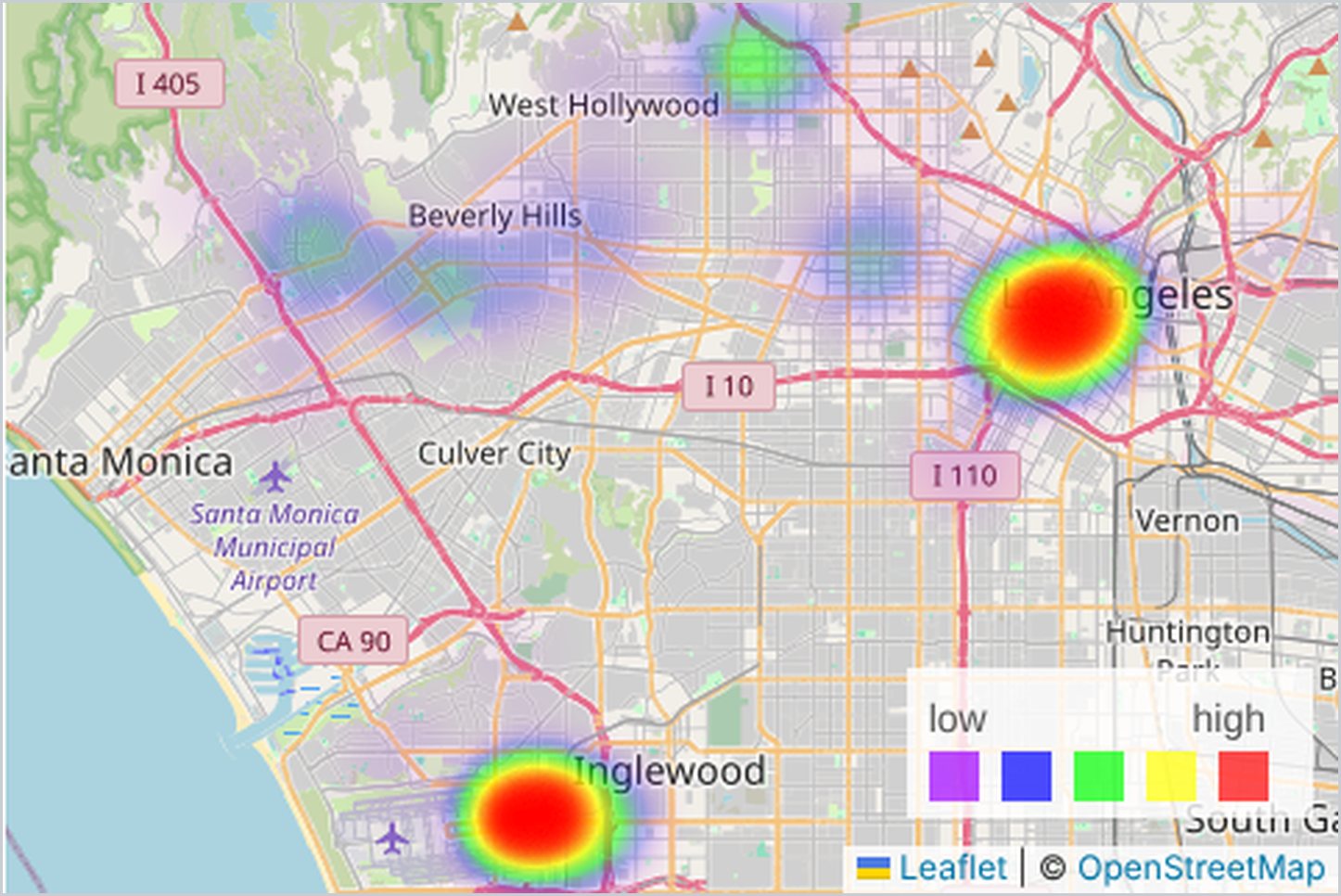
About 23,000 workers affected; $700 million in net income and more than 6,000 jobs added in the City by 2028.
CPPA, 2024
$3.5 billion in first-year direct costs across about 52,000 covered businesses, against cybercrime savings that reach $66.3 billion a year by 2036.
DOJ, Gambling Control, 2024
$464 million in lost cardroom revenue and $232 million shifting to tribal casinos, across all 86 licensed cardrooms.
SCAG, 2024
Sixteen job attributes, weighted by what 2,900 Southern California workers say they value.
CalGEM, 2023
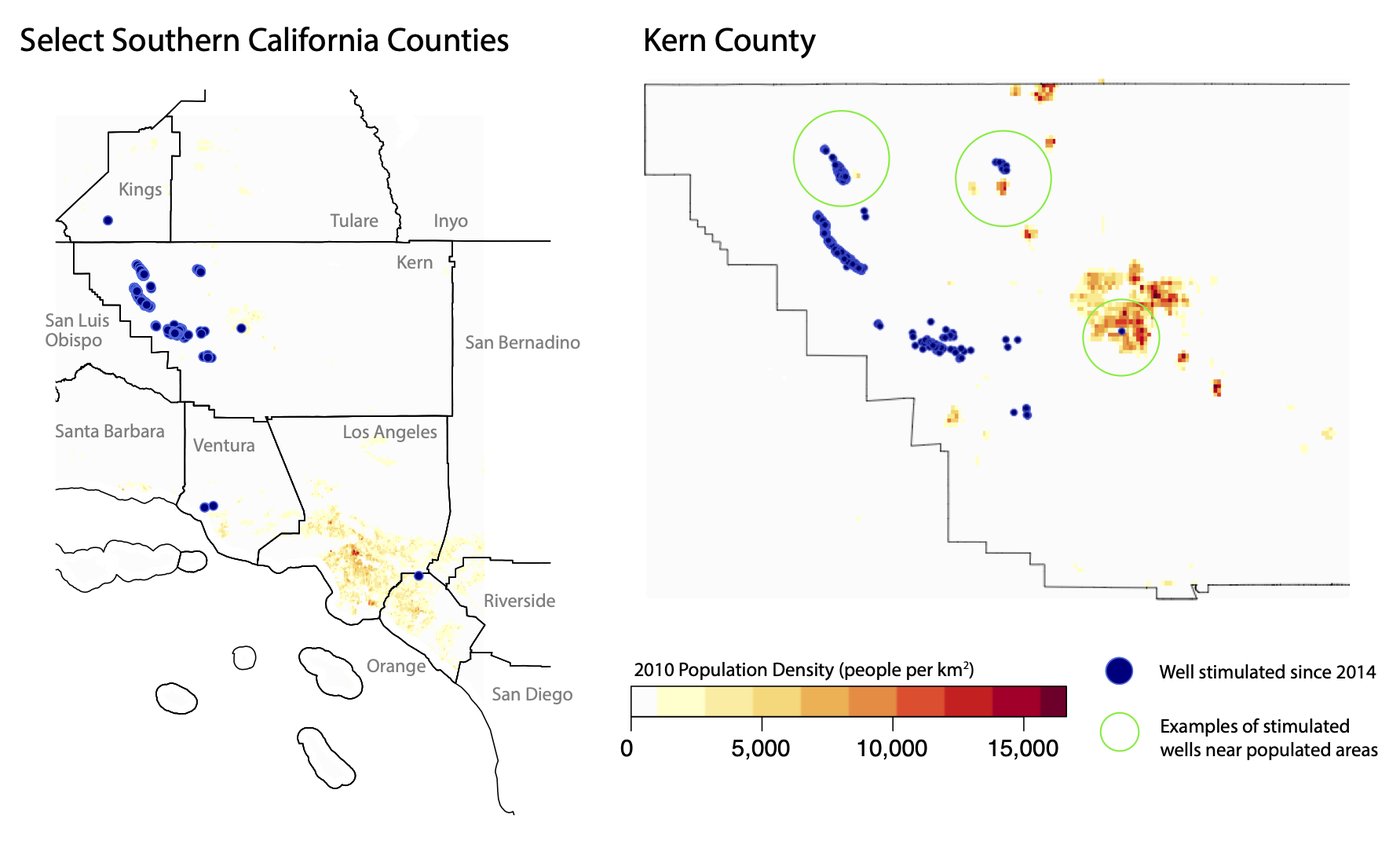
Ending new well stimulation permits: 1,442 fewer Kern County wells over ten years, and real GSP 0.04 percent below baseline.
SCAG, 2022–2024
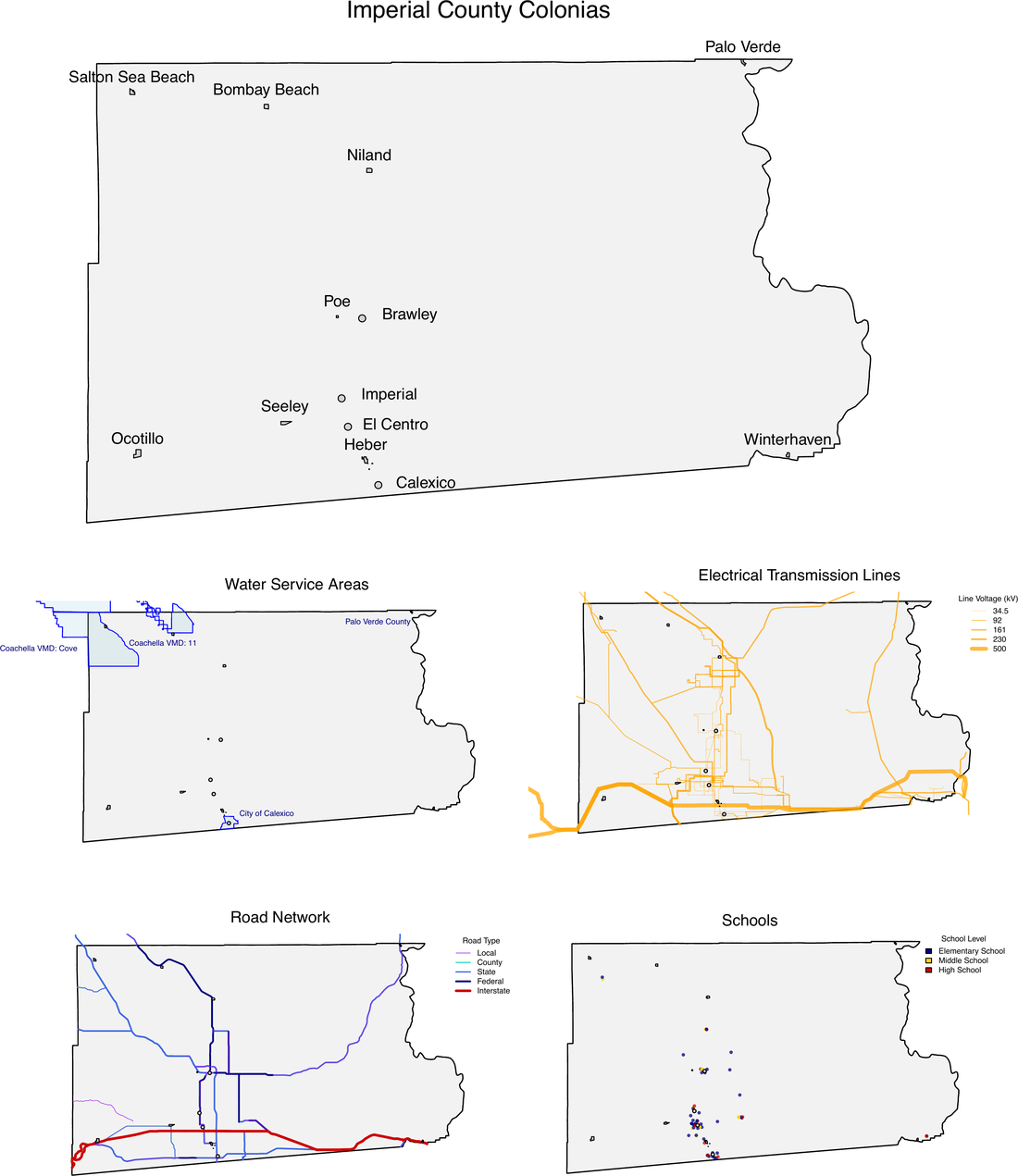
Every structure, road and utility line in the colonias, mapped and profiled in English and Spanish.
ADB, 2020–2026
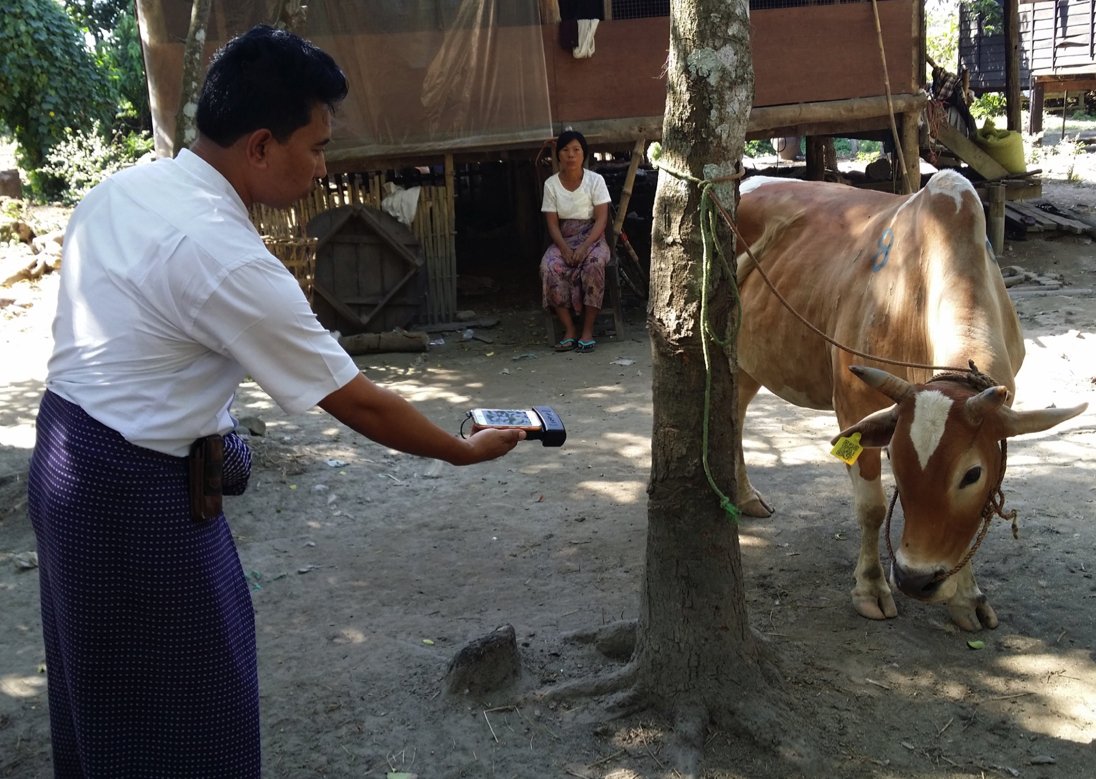
665 cattle tagged and 145 producers trained along a 730 km corridor in Lao PDR.
CHP, 2022
A benefit-cost ratio of 6.25 for 366,800 intrastate truck drivers, and 9,112 more full-time jobs a year on average.
World Bank, 2021
A guide to the seven areas where carbon pricing pays off beyond emissions, and how to model them.
DOJ, 2019
The first SRIA under the CCPA: $467 million to $16.5 billion in compliance costs over 2020 to 2030, by coverage case.
CPUC, 2019
A gross $801 million annual loss, largely offset by decommissioning, for a net loss of about $77 million a year.
DIR / Cal-OSHA, 2019
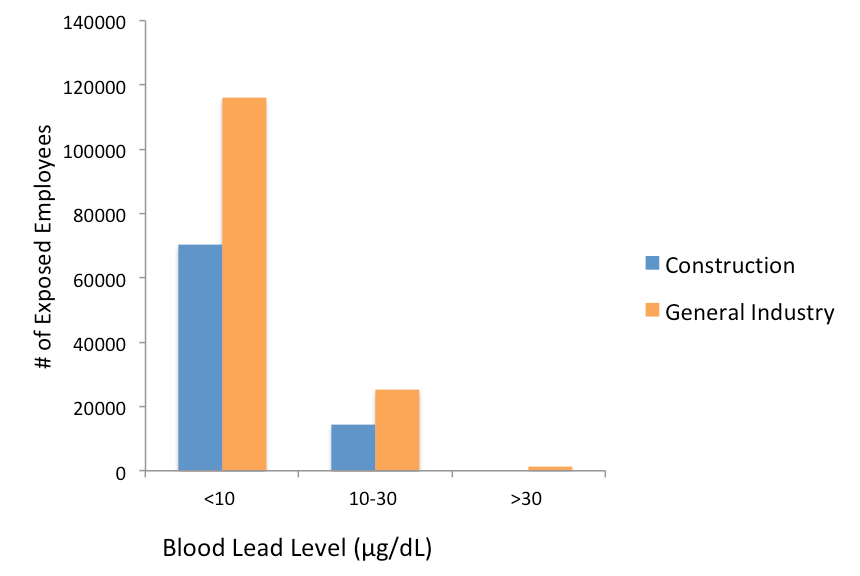
About 228,000 workers exposed; $248 million in first-year costs against health benefits rising to $1.26 billion a year.
DIR / Cal-OSHA, 2019
Lowering the trigger height to six feet: about $64 million a year in avoided deaths and injuries, a benefit-cost ratio of 1.19.
State of Oregon, 2019
About 50,000 more jobs by 2050 on the deepest emission path, a third of the growth from cleaner air.
CEC, 2018
Employment forecasts to 2050 for each of 8,000 census tracts: 3.3 million more jobs and real GSP 9 percent higher.
California ISO, 2016
90,000 to 110,000 more jobs in 2030 from 50 percent renewables, with results carried down to census tracts.
CEC, 2016–2018
The Energy Commission’s first SRIA program: a 2016 SRIA, guidance, a review of SRIAs to date, and BEAR tested against REMI, IMPLAN and RIMS II.
The full index holds 44 California engagements, 102 international ones and 4 elsewhere in the United States; 101 carry public documents you can open.
Most recent first. Some older and smaller engagements are listed by title while their descriptions are prepared.
150 projects
$901.3 million a year in state GDP and 3,785 jobs, with no lasting effect of the extension on local home values.
BEAR developed a mobile-based social network for smallholder cashmere farmers in Mongolia, improving market access, extension services, and financial resources. Piloted with Ochir Consulting Ltd in the Bayankhongor and Khövsgöl aimags, the program grew to 190 herder members within two weeks, and a follow-up survey found strong digital connectivity and financial inclusion.
Forecasting California electric power jobs to 2040 for the ISO. Preliminary results presented September 2026.
665 cattle tagged and 145 producers trained along a 730 km corridor in Lao PDR.
$464 million in lost cardroom revenue and $232 million shifting to tribal casinos, across all 86 licensed cardrooms.
$3.5 billion in first-year direct costs across about 52,000 covered businesses, against cybercrime savings that reach $66.3 billion a year by 2036.
With USDA support, BEAR is deploying carbon-negative biomass energy conversion to Sierra Nevada Disadvantaged and Tribal Communities facing elevated wildfire risk, partnering with ARE for community engagement and JBEI for technical scaling. The three-year strategy aims to establish self-financing biofuel enterprises that cut fire risk while creating local jobs and energy independence.
Every structure, road and utility line in the colonias, mapped and profiled in English and Spanish.
Sixteen job attributes, weighted by what 2,900 Southern California workers say they value.
CAL FIRE committed $5.7M for BEAR and partners LBNL, SUNY, and CARIBOU Biofuels to develop and prototype carbon-negative biofuel conversion technology for forest and agricultural waste. The five-year assessment found the state's forest, agrifood, and municipal waste streams could yield over 50 million tonnes of biofuel feedstock annually.
Description in preparation.
Description in preparation.
About 23,000 workers affected; $700 million in net income and more than 6,000 jobs added in the City by 2028.
Growing Chinese frozen strawberry production and processing capacity is reshaping competition for California growers, even as China also offers a promising new export market for fresh strawberries. BEAR's assessment found California can sustain competitiveness with a quality-focused strategy, ceding lower-value processing to Chinese partners while dominating higher-value fresh markets.
ADB sponsored a weeklong, intensive capacity-building workshop in Uzbekistan to promote evidence-based policy research and dialogue. The program trained technical public employees with state-of-the-art tools and techniques for policy modeling, data development, and expert advisory work.
Ending new well stimulation permits: 1,442 fewer Kern County wells over ten years, and real GSP 0.04 percent below baseline.
A benefit-cost ratio of 6.25 for 366,800 intrastate truck drivers, and 9,112 more full-time jobs a year on average.
The first SRIA under the CCPA: $467 million to $16.5 billion in compliance costs over 2020 to 2030, by coverage case.
Lowering the trigger height to six feet: about $64 million a year in avoided deaths and injuries, a benefit-cost ratio of 1.19.
Description in preparation.
About 228,000 workers exposed; $248 million in first-year costs against health benefits rising to $1.26 billion a year.
Under an ADB technical assistance program, BEAR supported China's Development Research Center in assessing the Belt and Road Initiative's impact across Mainland Southeast Asia (Cambodia, Lao PDR, Thailand, Malaysia, Myanmar, and Viet Nam). The team, led by David Roland-Holst, produced national case studies and a synthesis report recommending better public information, more inclusive project dialogue, and stronger regional financial integration.
Final Project Synthesis Report, Cambodia National Report, Lao PDR National Report, Malaysia National Report, Myanmar National Report, Thailand National Report, Viet Nam National Report
Description in preparation.
A gross $801 million annual loss, largely offset by decommissioning, for a net loss of about $77 million a year.
Employment forecasts to 2050 for each of 8,000 census tracts: 3.3 million more jobs and real GSP 9 percent higher.
About 50,000 more jobs by 2050 on the deepest emission path, a third of the growth from cleaner air.
ADB's Technical Assistance TA-8761 supported the Solomon Islands Government in strengthening macroeconomic policy capability through improved modelling, research, and reform strategy. BEAR worked with the Ministry of Finance and Treasury and Economic Reform Unit to deliver a Boot Camp of econometrics training using EViews, including lectures, workshops, and curriculum materials for future facilitators.
Under ADB Technical Assistance 9036, international and Chinese experts assessed how Regional Cooperation and Integration could revive growth in Liaoning and Northeast China, drawing on comparisons with other Chinese regions. The study found Liaoning must deepen external engagement in transport infrastructure, manufacturing equipment exports, sea-rail multimodal transport, and coordinated seaport management to overcome its economic and demographic challenges.
Inception Report (EN), Baseline Needs and Strategic Assessment (EN), Project Final Report (EN), Report on Infrastructure Financing (EN), Report on Equipment Exports (EN), Report on Sea-Rail Potential (EN), Report on Port Coordination (EN), Report on Regional Integration Potential (EN), Inception Report (CN), Baseline Needs and Strategic Assessment (CN), Project Final Report (CN), Report on Infrastructure Financing (CN), Report on Equipment Exports (CN), Report on Sea-Rail Potential (CN), Report on Port Coordination (CN), Report on Regional Integration Potential (CN)
The Energy Commission’s first SRIA program: a 2016 SRIA, guidance, a review of SRIAs to date, and BEAR tested against REMI, IMPLAN and RIMS II.
ADB and the CAREC Institute jointly sponsored a capacity-building workshop held at Narxoz University in Almaty, Kazakhstan, from December 2 to 15, 2016, to promote evidence-based policy research and dialogue among CAREC member countries. The program provided participating country experts with state-of-the-art tools and techniques for policy modeling and data development.
90,000 to 110,000 more jobs in 2030 from 50 percent renewables, with results carried down to census tracts.
Full write-up, figures and public record
Executive Summary, Volume 1: Main Report, Volume 8: Economic Analysis, Volume 10: Disadvantaged Community Impacts, Presentation: Stakeholder Workshop, Presentation: Interagency Workshop
Building on the successful GMS Livestock Identification and Traceability System pilot under ADB's CASP2 program, this report reviews institutional precedents and technology options for scaling agrifood traceability nationally and coordinating it regionally. It recommends phased steps, from partnering with existing institutions to deploying and scaling the LITS cattle prototype across all GMS countries.
Rising cross-border livestock trade in the Greater Mekong Subregion raised disease and food-safety risks, prompting ADB to pilot a low-cost regional Livestock Identification and Traceability System in Cambodia, Lao PDR, and Myanmar. The pilot proved technically feasible, and GMS delegates endorsed expanding it nationally and to other agrifood products.
Rapid Assessment, Inception Report, Implementation Plan, Final Report, Training Manual, Farmer Handbook
As part of the ADB-sponsored pilot GMS cross-border Livestock Identification and Traceability System project, BEAR delivered training for farmers and government staff in Cambodia, Lao PDR, and Myanmar in late 2015. Sessions in Kampong Cham, Vientiane, and Yangon covered LITS technology and its use in managing animal disease, improving food safety, and helping smallholders access higher-value markets.
Training Manual - English, Training Manual - Burmese, Training Manual - Khmer, Training Manual - Lao, Farmer Handbook - English, Farmer Handbook - Burmese, Farmer Handbook - Khmer, Farmer Handbook - Lao
ADB and the CAREC Institute jointly sponsored a capacity-building workshop held in Urumqi, PRC in December 2015 to promote evidence-based policy research and dialogue among CAREC member countries. The program equipped participating country experts with state-of-the-art tools and techniques for economic policy modeling and data development.
This ADB-supported study examines the PRC's deepening integration with the global economy since its 1978 reform era, when it grew from a marginal player into the world's largest exporter and second-largest importer. It assesses opportunities for further opening amid a shifting global growth landscape, covering trade and investment, financial participation, regional connectivity, and China's role as a development partner.
This Danida-supported study examines how China's economic emergence and rising food consumption will shape opportunities and competitive pressures for Vietnam's agricultural sector. It projects China could become the world's largest food importer by 2010, with Vietnam potentially positioned as a major agricultural exporter given its proximity and shared conditions with southern China.
Supported by JICA, this study builds detailed Social Accounting Matrices for Vietnam's fourteen Northern Mountain Region provinces to trace income linkages relevant to poverty reduction. It finds NMR trade with the rest of Vietnam and the world remains well below its potential, held back by weak transport and market infrastructure.
With FAO, BEAR examined how the livestock sector links to the UN's 2030 Sustainable Development Goals, given livestock's central role in food security and poverty reduction across developing countries. The project defined a parallel set of Livestock Sustainable Development Goals and metrics, offering a reference framework to help member states align livestock policy with the broader 2030 development agenda.
BEAR developed a new dynamic economic forecasting model for Mongolia, calibrated to a 2008 Social Accounting Matrix, to assess 26 of the country's highest-priority development projects. The analysis found each project could meaningfully contribute to national development, though they differ in scope and timing of impacts on stakeholders.
Foot and mouth disease is endemic across the Greater Mekong Sub-Region, and control measures can affect rural livelihoods as much as the disease itself, requiring rigorous quantitative decision support. This report develops a framework assessing FMD's impacts through value-chain and economy-wide analysis across Myanmar, Vietnam, Cambodia, and Lao PDR, informing disease management policy.
This FAO/OAE-supported 2011-2013 study built forward-looking tools to assess climate-agriculture linkages in Thailand, where agriculture generates under 10% of GDP yet nearly 40% of the population depends on it for a livelihood. This report on the rice sector reviews historical evidence, climate projections, and adaptation options for the country's most climate-vulnerable farmers.
Rice Report, Field Crops Report, Tree Crops Report, Presentation
Prepared for the World Bank, this 2011-2013 report evaluates the outlook for Moroccan agriculture as declining, increasingly variable rainfall and rising population intensify water scarcity. It finds major adjustments to Morocco's water storage and allocation systems will be needed even if global climate stabilizes, with outcomes depending heavily on adaptation policy.
Report (folder wb-mor-h20, no "-2" suffix), Presentation (folder wb-mor-h20, no "-2" suffix)
As part of FAO's Regional Rice Initiative Pilot Project, this study supported policy dialog on climate change adaptation in agriculture, with particular attention to food security and the rice sector in Lao PDR. The project delivered econometric estimates of the long-term impacts climate change is expected to have on rice yields.
Effective HPAI policy should reduce losses cost-effectively and equitably, with monitoring and surveillance investment as a top priority given how much control is constrained by poor information. The analysis favors certified supply chains for safe traditional chicken varieties and penalties for selling sick animals over blanket culling subsidies, paired with decoupled support for farmers.
Official and unofficial livestock movement across the Greater Mekong Sub-Region's extensive borders poses a major disease-spread risk, but limited enforcement and cross-border data complicate management. Drawing on government statistics from Thailand, Lao PDR, Vietnam, and Cambodia plus trader interviews, this report finds data collection is concentrated in Thailand and recommends further investment in surveillance.
Despite having the world's greatest hydroelectric potential per capita, Nepal suffers from severe energy poverty and unreliable power supply. Using a dynamic forecasting model, this report finds that realizing just 20% of Nepal's theoretical hydro potential could nearly double real GDP above baseline by 2030, a result confirmed through stochastic scenario analysis.
To assess Mongolia's transition from a rural, subsistence economy toward a modern, diversified one, this project built a new dynamic economic forecasting model calibrated to a 2008 Social Accounting Matrix and used it to evaluate 26 of the country's highest-priority development projects. The scenario analysis helps identify which stakeholders gain and which face adjustment challenges.
Using a dynamic forecasting model, this project evaluates opportunities for sustained economic growth in Myanmar to inform a new generation of evidence-based policy built on public investment, human capital development, and private sector facilitation. It highlights how agricultural productivity gains and urban development can mutually reinforce inclusive, equitable growth.
This 2013 FAO-supported assessment reviews the sustainability of Mongolia's ruminant livestock supply chains amid rising demand, pastoral resource pressures, and demographic change. It finds most herders won't capture the potential of growing demand without more sustainable herd management, and recommends expanding livestock insurance and investing in meat and hide value chains.
This 2013 FAO-supported study examines how contracting mechanisms could raise Chinese food productivity through new technology adoption, given that China holds roughly a fifth of world population but only 7% of arable land and 5% of renewable freshwater. It targets gains in food security, smallholder livelihoods and market access, and water-use efficiency.
For CalEPA, this 2011-2012 study assessed the market outlook and economic feasibility of producing PHA/PHB bioplastic from waste methane captured at California landfills and treatment plants, using an emerging Stanford University conversion process. Modeling 118 landfills and 144 facilities, it found a 1,000-tonne-per-year production facility could be economically viable at PHB prices above $1.17/kg.
For ADB's CAREC initiative, this project developed a new regional economic modeling facility covering all CAREC member countries, integrating national economic structure with regional and global trade linkages. Alongside the general equilibrium forecasting model, the team built a user-friendly web-browser interface combining GIS and graphics with tabular output to support evidence-based policy dialog.
This report assesses the Greater Mekong Subregion's economic potential for agriculture and hydropower, centered on the Mekong River's role in transport, water supply, and power generation for six nations. It finds the sub-region trapped in a low-investment equilibrium despite immense unrealized potential, and concludes that combining water-for-food and water-for-energy investment through multilateral cooperation is needed to unlock growth while managing climate-related risk to water flows.
This project examines the political ecology of hydropower decision-making in the Mekong Basin, where opaque siting and development processes have produced poor outcomes for the environment and resource-dependent communities. Seven regional partners used political network analysis, systems analysis, and impact-assessment reviews across China, Laos, Thailand, Cambodia, and Vietnam to support more open, transparent dam decisions.
Despite Asia's vast unrealized agrifood potential, recent food-price volatility shows the region remains vulnerable to food insecurity, requiring determined policy action. Applying a dynamic forecasting model to scenarios of external shocks and policy responses, this report finds that productivity investment, paired with regional supply-chain integration and reduced trade barriers, can support more equal income growth across Asia.
M-POWER, supported by the CGIAR Challenge Program on Water and Food, backed capacity-building and dialogue among researchers, officials, and other stakeholders on managing Mekong water resources. The program addressed three regional priorities: China's perspective on downstream Mekong interests, the performance of river basin organizations, and how to improve hydropower decision-making in the basin.
This project reviewed tools for evaluating the net economic benefits of nature-based adaptation approaches, such as wetlands, forests, and farmland, for addressing climate risk, comparing them with conventional engineered solutions. It applied these methods to a flood-risk case study in Ventura County, California, to support The Nature Conservancy's broader climate adaptation and conservation strategy.
Since 1991, Central Asian economies have joined numerous regional trade agreements, most either unimplemented or not yet in force, while separately pursuing WTO accession. The analysis finds implementing the EAEC customs union could significantly slow growth in Kazakhstan, the Kyrgyz Republic, and Tajikistan unless paired with substantial cuts to common external tariffs.
Rinderpest was one of history's most lethal livestock diseases, killing up to 95 percent of infected animals in naive populations, until an international campaign achieved its global eradication, declared complete in 2011. This report develops a methodology for estimating rinderpest eradication's socio-economic impacts and applies it to case studies in Chad and India.
Following DFID-funded, multi-disciplinary HPAI research across the Mekong region and Africa, undertaken after H5N1 outbreaks led to more than 175 million birds culled in Southeast Asia, this symposium summarized findings and policy implications for evidence-based HPAI control measures. The goal was cost-effective disease-risk reduction that also protects smallholder livelihoods.
Forecasting Vietnam's growth over the next two decades, this study finds total water demand will nearly double by 2030, straining capacity in key river basins at certain times of year despite an ample annual national supply. It concludes that improving agricultural water-use efficiency, combined with storage and conveyance investment, can let Vietnam sustain growth without severe water bottlenecks.
Drawing on producer, trader, and vendor surveys across five Lao PDR provinces from December 2009 to July 2010, this study audited the smallholder poultry supply chain and the barriers limiting smallholders' access to higher-value urban markets. It concludes that flexible, informal micro-contracts offer a promising way to link producers directly to vendors.
In Lao PDR, where most rural households lack access to traditional finance and rely on livestock as a savings strategy vulnerable to disease shocks, this study examines microfinance as a tool for smallholder poultry producers. It finds microcredit can help producers restock after outbreaks, grow flock sizes, and invest in biosecurity, supporting greater commercialization and improved rural livelihoods and public health.
In support of the Sustainable Fuel Partnership among ADB, IEA, and Oxford's Environmental Change Institute, this project develops long-term estimates of Asia's transport energy demand and price dynamics from 2010 to 2050. Using general equilibrium analysis, it assesses how mechanisms like a proposed Fuel Security Credit could ease fuel subsidies' fiscal burden while promoting sustainable transport.
This study models the economic impact of cocoa certification programs for Mars, focusing on certification costs to the company and industry, including effects on cocoa prices and farm revenue. Given high uncertainty about future market and productivity conditions, the analysis uses a scenario framework with two main scenarios and several sub-scenarios.
This study reviews trade in food and agricultural products across East and Southeast Asia, where the PRC's growth is expected to make it a net agro-food importer as its middle class drives demand for meat and dairy. A dynamic simulation model shows combining productivity growth, trade facilitation, and FDI access delivers the largest gains for low-income GMS economies, while also benefiting their neighbors.
Drawing on income distribution data from 22 Asian economies and a dynamic CGE model, this study projects Asia's middle class will grow by about 1 billion people over 20 years, up from a base of 2.7 billion. It identifies energy price vulnerability as a critical growth risk and skills development as the key prerequisite for sustaining rising incomes.
This study surveyed Lao PDR's smallholder indigenous poultry sector, a major income source with little prior documentation, through market chain surveys of producers, traders, and vendors alongside household consumer surveys on purchasing habits and willingness to pay for certified birds. The goal was evidence-based recommendations to improve product quality and safety without harming smallholder livelihoods.
Description in preparation.
We draw on California's experience with green stimulus policies to discuss lessons for different economic contexts, covering energy efficiency and growth (California evidence and implications for LDCs) and the shift from mitigation to adaptation, including climate risk and response in a North-South context.
This report applies new data and methods, including an 'integrated poverty assessment of livestock promotion' (IPALP), to show how livestock can significantly improve livelihoods among the rural poor, a potential still far from realized. Using a detailed Social Accounting Matrix and dynamic Computable General Equilibrium Model, it assesses how trade liberalization combined with livestock promotion affects rural poverty alleviation.
Livestock sector development can be a potent catalyst for poverty reduction, as shifting food demand, especially in emerging economies, gives smallholders better income growth opportunities from livestock than from staple crops. This paper reviews evidence and offers original estimates showing how policies improving smallholder market access and productivity can turn livestock markets into vehicles for pro-poor growth.
With Bangladesh's known natural gas reserves not expected to last a decade at current use, this study uses an economic forecasting model to evaluate reform options including more market-determined gas pricing, energy efficiency, fertilizer-sector treatment, coal substitution for power generation, and potential gas exports. It concludes Bangladesh has multiple viable options for energy policy reform to support more sustainable growth.
Description in preparation.
For FAO, this 2010-12 project piloted a mobile-phone-based poultry trading system connecting 100 smallholder households directly with vendors in the urban peripheries of Chiang Mai and Chiang Rai, Northern Thailand. Built-in traceability supports both passive and active animal-health surveillance, aiming to raise producer incomes and reduce public health risk.
Since 2000, governments and international organizations have spent billions of dollars on education, prevention subsidies, and farmer compensation to contain animal-origin influenza viruses, without much macroeconomic quantification of the benefits. This policy brief provides that perspective and concludes there is a robust case for sustained, coordinated multilateral commitment to reducing global flu risk.
This project assessed poultry supply chain conditions in Cambodia's Kampot and Siem Reap market catchment areas through separate surveys of producers, traders, vendors, and consumers, modeled on prior work in Vietnam and Thailand. Findings informed recommendations for smallholder market participation after HPAI outbreaks, including micro-credit, technology transfer, certified supply chains, and contract farming for biosecure traditional bird production.
Description in preparation.
Highly Pathogenic Avian Influenza (H5N1) has infected over fifty countries, caused roughly 200 human fatalities, and led to mass culling of domestic birds. Because the virus keeps mutating and dispersing geographically, this project presents a classification scheme for HPAI incidence based on genetic variation and epidemiological conditions to support more localized policy.
Because India imports over two-thirds of its conventional fuel, biofuel strategies such as biodiesel offer only limited relief from rising oil prices, even at 20% displacement of domestic diesel. The analysis finds energy efficiency and agricultural productivity gains are more effective, pro-poor alternatives for offsetting energy price risk and emissions than direct fuel substitution.
This report assesses trade and growth prospects for Nusa Tenggara Timur, Indonesia, and Timor-Leste, two low-income, largely rural economies constrained by real and de facto trade barriers. It finds increased trade, driven by infrastructure investment and trade facilitation, could expand exports as a share of GDP more than twice as fast as imports.
Following H5N1 HPAI outbreaks that led to more than 175 million birds culled across Southeast Asia, this DFID-funded study carried out a survey-based assessment in 2007 and 2008 of indigenous poultry producer viability in Thailand. Results were intended to give policymakers evidence for developing cost-effective, pro-poor HPAI control measures that also protect smallholder livelihoods.
Using the BEAR macroeconomic model, this study assessed how offsets within California's AB32 cap-and-trade system affect criteria pollutants. It found that allowing out-of-state offsets to substitute for in-state emission reductions can reverse local air-quality gains, in some scenarios raising carbon monoxide and fine-particulate pollution above baseline levels.
Following H5N1 outbreaks in Vietnam and Thailand, this project piloted a certification approach that uses the demand side of the poultry market to promote pro-poor disease control. Surveys of live poultry markets in and around Ha Noi informed a bird-tracing feasibility study and a certification system modeled on organic and fair-trade marketing.
Using the EAGLE forecasting model, this assessment evaluated the state-by-state economic impacts of the American Clean Energy and Security Act (ACES) for NRDC. It found all 50 states can gain economically from federal climate policy, with the U.S. potentially gaining 918,000 to 1.9 million jobs by 2020.
This Next10 study examines the economy-wide employment effects of California's energy efficiency policies over the prior thirty-five years and forecasts impacts of more aggressive measures proposed to cut emissions to 1990 levels by 2020. It was prepared as CARB moved toward final adoption of its AB32 Scoping Plan in December 2008.
This Next10 report assesses the economic case for a statewide 'SuperGrid' integrating electric power and information technology infrastructure in California, likening it to a modern TVA-scale public works project. It models three impact channels -- grid development, participation, and long-run productivity growth -- and concludes the benefits justify bond financing for the needed investment.
Commissioned by Next10, this study evaluates California's energy demand and supply horizons and the economic impact of accelerating renewable energy and efficiency deployment. Its most ambitious scenario -- 50% renewable energy with 1.5% annual efficiency gains -- generates roughly half a million new jobs and over $100 billion in cumulative payrolls over 40 years.
This Next10 report reviews innovation opportunities across the California economy under the Global Warming Solutions Act (AB32), arguing the state's 2020 targets are achievable while its 2050 goals require a 'New Green Revolution.' It calls for combined technological and institutional innovation to position California as an incubator for a low-carbon future.
Prepared for the Environmental Defense Fund in 2008, this report analyzes how a national cap-and-trade program, the option favored by Florida Governor Charlie Crist's Action Team on Energy and Climate Change, would likely affect the state's economy. It weighs those effects against the costs of inaction, including stronger hurricanes and heat-driven tourism losses.
Emerging zoonotic diseases such as Nipah, SARS, and H5N1 avian influenza, which has caused nearly 200 deaths, show growing linkages between livestock production and global public health. This project examines how population growth, changing livestock production, expanding agrifood networks, and rising mobility are increasing the risk of animal-to-human disease transmission.
Using a new modeling facility for Central Asia, this study examines the growth effects of a major Kazakhstan road corridor project from 2008 to 2030. It finds the project's direct fiscal costs are heaviest early on, exceeding 8 percent of GDP in year two, while its lasting value comes from the transport and distribution services and collateral investment it generates across the country.
Using the BEAR economic model, this Next10 study tested eighteen options for recycling California cap-and-trade auction revenue, building on prior work by Farbes and Kammen. It found most allocation options boost growth and state revenue, with investment in household energy efficiency and renewable technology diffusion the most pro-growth and employment-intensive choice.
This report assesses the economic impact of statewide plug-in electric vehicle deployment in California, using a forecasting model to link PEV adoption with economic growth and job creation. Findings show light-duty vehicle electrification could add up to 100,000 jobs by 2030, since redirected fuel-cost savings create sixteen times more jobs than gasoline spending, with wage gains skewed toward lower-income households.
This BEAR-model assessment for Next10 examines how California's AB32 Scoping Plan affects economic growth, employment, and income under alternative emissions-permit auction and revenue-recycling schemes. It finds AB32's aggregate impact is modest -- about three months of deferred growth over a decade -- while auctioning permits and returning revenue to households can cut costs and lift employment.
This project mapped the supply chain and resource flows for three models of Thai poultry production, backyard, medium contractor, and industrial scale, to clarify how each set of actors would be affected by policy changes or shocks to the sector. It concludes each model has distinct advantages and disadvantages and none is likely to disappear, supporting more effective policymaking across the sector.
This Next10-commissioned assessment reviews long-term climate risk and response options for the California economy, estimating unaddressed climate damages could cost tens of billions of dollars per year and expose trillions in assets to risk. It finds Climate Response measures -- infrastructure renewal and strategic investment -- can address this risk at a fraction of the cost of inaction.
This 2007 Energy Foundation study reviews industry-level cost and technology data for California's largest CO2-emitting sectors to assess their capacity to adjust under a cap-and-trade system. It concludes a well-designed, market-based mechanism can efficiently allocate adjustment costs while preserving the state's incentives for innovation and economic growth.
For the California Air Resources Board, this 2007 report applies the BEAR model to independently assess three ARB reference scenarios, building on BEAR results that had already featured in the legislative process behind California's Global Warming Solutions Act. It concludes the state can reconcile economic growth with more sustainable climate policy.
This 2007 Energy Foundation report uses the BEAR economy-wide model to simulate a package of greenhouse-gas mitigation policies recommended by California's Climate Action Team. It finds the aggregate economic benefits of many of these policies outweigh their direct costs, since efficiency gains let households redirect energy savings into in-state spending, growth, and jobs.
Using the BEAR model, this 2007 Energy Foundation study examined how eight targeted greenhouse-gas policies combined with an overall emissions cap could return California to 1990 GHG levels by 2020. It concluded the targets are attainable with mandatory, broad-based participation and additional growth from innovation incentives.
This project found that HPAI policy in Mekong epicenter countries must reconcile national control goals with the economic realities of poor rural majorities, since one-size-fits-all eradication measures can backfire and drive disease risk underground. It concludes that well-designed monitoring and traceability systems could improve market access and incomes for smallholders while advancing prevention.
Report, Presentation (ukaid-gms-onehealth folder, near-miss slug but same GMS HPAI/OneHealth program)
Most HPAI responses rely on supply-side measures like culling and market bans, which have had uneven success and are difficult to sustain. This PPLPI study instead examines whether the demand side of the poultry market, through consumers willing to pay for certified HPAI-free poultry, can support disease control, with encouraging early survey evidence from Viet Nam.
Poverty among livestock-dependent households varies significantly across developing countries depending on local factors such as formal-sector participation, property rights, and access to capital. Drawing on evidence from Peru, Senegal, and Viet Nam, this report finds that promoting smallholder livestock production can be a potent catalyst for poverty alleviation, though carefully targeted policies are needed.
Using data from Senegal, a West African economy with high smallholder poverty and livestock dependence, this report examines linkages between livestock and livelihoods. It finds livestock-dependent households are poorer and more severely so, that rural producers capture only a small share of their products' value, and that generalist agricultural policies offer them limited benefit.
This study uses an economic forecasting model tracking California's vehicle fleet to evaluate how fuel-efficiency and emissions standards affect growth through 2025. It finds vehicle efficiency is a potent catalyst for statewide job creation, since fuel savings flow to more job-intensive, in-state spending than the carbon-fuel supply chain, with a rebound effect under ten percent.
Smallholder livestock producers face growing adjustment costs from being implicated in biosafety events, even though punitive treatment would undermine reporting and worsen outbreaks. Because high-income countries benefit most from reduced pandemic risk, the project argues smallholders need positive incentives, providing a basis for pro-poor multilateral initiatives to curb disease risk.
This report analyzes the economic implications of regional climate policy for the seven U.S. states in the Western Climate Initiative (WCI), formed in 2007 to cut emissions 15% below 2005 levels by 2020. It finds carbon pricing alone could undermine growth in high-carbon states, but pairing cap-and-trade with efficiency and renewables can accelerate growth economy-wide.
This 2006 Energy Foundation-backed assessment of California's Global Warming Solutions Act (AB32) applies the BEAR model alongside CARB's EDRAM and CRA/EPRI's MRN/NEEM models in a joint comparison exercise. It finds AB32's aggregate growth effects are negligible or positive, with no significant emissions leakage, though individual sector output and employment can shift substantially.
BEAR helped scope the World Bank's Country Economic Memorandum for the PRC, convening World Bank staff, China's Development Research Center, and international policy experts. Using a new Social Accounting Matrix and the PANDA dynamic CGE model, the workshop examined expenditure shifting, resource pricing, and tax reform as priority research areas for China's sustainable growth.
DRC Summary, UCB PANDA CGE Summary, World Bank Presentation, UCB Energy Presentation
This paper reviews the determinants of foreign direct investment in Asia and applies a simulation framework alongside empirical analysis, finding real GDP the primary driver of regional capital allocation. It shows that trading efficiency and productivity gains linked to FDI, more so than nominal tariff barriers, could substantially accelerate regional growth.
As Asia's growth matures, regional integration offers geographic diversification and structural differentiation away from established north-south trade patterns, supporting more inclusive growth and convergence. This paper examines how infrastructure commitments can serve as an essential guarantor of more sustained, broadly based Asian growth.
Livestock production and marketing can be a potent catalyst for rural poverty alleviation given traits like scalability, low perishability, and high income elasticity, making it a priority for aid programs like FAO's PPLPI. This report describes the economic assessment tools built in PPLPI's first phase, later applied to hub economies including Vietnam, Senegal, Uganda, Orissa (India), and Peru.
As part of its Pro-Poor Livestock Policy Initiative, FAO developed a set of Livestock Development Goals modeled on the Millennium Development Goals to track livestock's contribution to poverty alleviation. This note sets out eight such goals, covering economic contributions, nutrition, disease risk, and sustainable practices, along with over twenty indicators for measuring progress toward each.
This CalEPA report updates the macroeconomic analysis from the March 2006 Climate Action Team Report, refining cost, savings, and emission-reduction estimates for the state's climate strategies using the E-DRAM and BEAR models. It also presents, for the first time, net cost per ton of emissions avoided in 2020, incorporating the value of reduced criteria air pollutants.
This report examines the long-term effects of an adverse remittance shock on Armenia and the Kyrgyz Republic, finding that falling remittances directly undermine income, consumption, employment, and wages even as they indirectly improve external competitiveness. Realizing remittances' growth potential requires governments to build the institutions needed to channel inflows into productive investment.
Description in preparation.
This project built a new Social Accounting Matrix for Costa Rica and a CGE model developed jointly with the OECD Development Centre and the country's national planning ministry, MIDEPLAN. Together they created up-to-date, state-of-the-art policy research capacity supporting trade, public finance, industry, and agricultural policy analysis.
This paper develops a dynamic global CGE model to examine how trade expansion affects international employment and wage patterns under different policy scenarios. The results suggest nontradable employment limits the relevance of Stolper-Samuelson reasoning, and that OECD wage dispersion stems more from domestic education and labor-market policy than from trade itself.
Using a new dynamic global model, this study forecasts Asian economic expansion through 2025 and examines how regional and global trade agreements affect growth and structural change. Results show Asian regional trade remains far from its potential, and deeper integration would benefit lower-income Asia most, with ASEAN gaining the most as a growth bridge between the PRC and India.
This project examines the economic potential of energy efficiency in four sample countries -- Vietnam, Senegal, Mongolia, and Brazil -- as part of a World Bank development research agenda. It finds energy efficiency advances sustainability, fiscal savings, and poverty reduction by cutting emissions, freeing public resources, and raising real household purchasing power.
BEAR surveyed about 4,000 low-income households in Durban, South Africa, to measure the real-world economic benefits of the Wonderbag insulated cooking device after up to two years of use. The econometric analysis found savings in cooking time (8-21%) and fuel spending (10-36%), plus higher food spending per household member (36-60%).
This project applies empirical general-equilibrium modeling to the linkages between economic activity, energy resources, and the environment in China's power sector. It notes China must add generating capacity exceeding Europe's entire installed base within fifteen years, and that regional grid segmentation requires policies tailored to local resource conditions.
Using a long-term regional forecasting model, this report finds reduced transport costs from regional cooperation in transport and customs transit could lift cumulative Kyrgyz real GDP growth by 112.3% over a decade, versus just 27.6% from a 50% unilateral tariff cut. Combined with higher world cotton prices from multilateral cooperation, the gain rises to 150.2%.
As China's economy entered a new phase after two decades of rapid growth, it faced major strategic opportunities alongside considerable uncertainty in sustaining growth and raising living standards. Jointly sponsored by the World Bank and the Development Research Center of the State Council, this project supported provincial-level development planning with a new generation of Social Accounting Matrices and Computable General Equilibrium Models.
National Growth, Anhui, Beijing, Hubei, Heilongjiang, Liaoning, Shaanxi, Shanghai, Olympic Development, Infrastructure Poverty, Provincial SAM Construction, Three Region CGE Model
Description in preparation.
This 2003-2004 Danida study assesses the long-term economic effects of Vietnam's bilateral trade agreement with the United States (USBTA), estimating it could nearly double the gains from Vietnam's existing trade initiatives, including WTO accession. Realizing those gains, it finds, depends on complementary domestic reform and capital-market development to attract foreign investment.
This 2003-2004 Danida study examines Vietnam's trade relationship with Japan, historically its largest donor and a top trade partner, for a sector generating 22% of GDP and 60% of employment. It weighs stricter Japanese food-safety standards and rising competition from China and Thailand against Japan's growing dependence on agricultural imports.
This 2003-2004 Danida study examines Vietnam's trade relationship with South Korea, its sixth-largest trade partner in 2003, for an agricultural sector generating 22% of GDP and employing 60% of the workforce. Exports to Korea had quadrupled since 1998 but remain concentrated in a small group of products, facing rising Korean food-safety standards.
This 2003-2004 Danida-supported study assesses the long-term economic effects of Vietnam's WTO accession, finding that accelerated participation in multilateral trade benefits the country, though gains stay modest without complementary domestic reform. It also identifies capital-market insufficiency as a serious constraint on Vietnamese growth and diversification.
Description in preparation.
Using a multi-country dynamic CGE model, this study examines how China's WTO accession reshapes East Asian trade regimes over a fifteen-year horizon. It finds the emergence of a regional Trade Triangle leveraging China's expanding exports and growth, and concludes China's neighbors gain most by following its example toward globalism through deeper regionalism.
Using a multi-country dynamic forecasting model, this study assesses how China's WTO accession will reshape East Asian trade through 2020. It projects China developing a structural trade surplus with Western OECD economies and a deficit with East Asia, and forecasts China becoming Japan's largest trading partner by 2020, requiring a reorientation of Japanese industrial policy.
Examining detailed East Asian trade patterns from 1996 to 2000, this study finds that despite China's emergence as a new competitor, the region's underlying hierarchy of comparative advantage has stayed fairly robust, with Japan and the NIEs actually intensifying their skill specialization. Results suggest regional trade can accommodate new suppliers without displacing established exporters, provided aggregate growth is sustained.
This study analyzes global supply networks in East Asia, where foreign direct investment distributes production across an international matrix of intermediate producers. Using a multi-country Social Accounting Matrix for multiplier decomposition analysis, it finds that 20 to 70 percent of income from bilateral trade actually arises from complex multilateral chains, showing that conventional views understate the gains from a more liberal trading environment.
Description in preparation.
Description in preparation.
Description in preparation.
Description in preparation.
Description in preparation.
Description in preparation.
Description in preparation.
Description in preparation.
Description in preparation.
Description in preparation.
Description in preparation.
Description in preparation.
Description in preparation.