
The question
What would raising the Living Wage for airport workers and the Hotel Worker Minimum Wage to $30 an hour by 2028, with a health-care payment, mean for covered workers, for employers, and for the economies of the City, the County and neighboring areas?
What BEAR found
First-year minimum hourly compensation rises 31 percent for covered airport workers and 69 percent for hotel workers without employer health coverage. By 2028 BEAR estimates the increases add about $700 million in net income in the City and more than $1.2 billion across the region, with more than 6,000 new full-time jobs in the City and more than 12,000 regionally. Price effects come to about six percent over four years.
Council adopted the increase in December 2024. Ordinance 188610 took effect on September 8, 2025.
Method
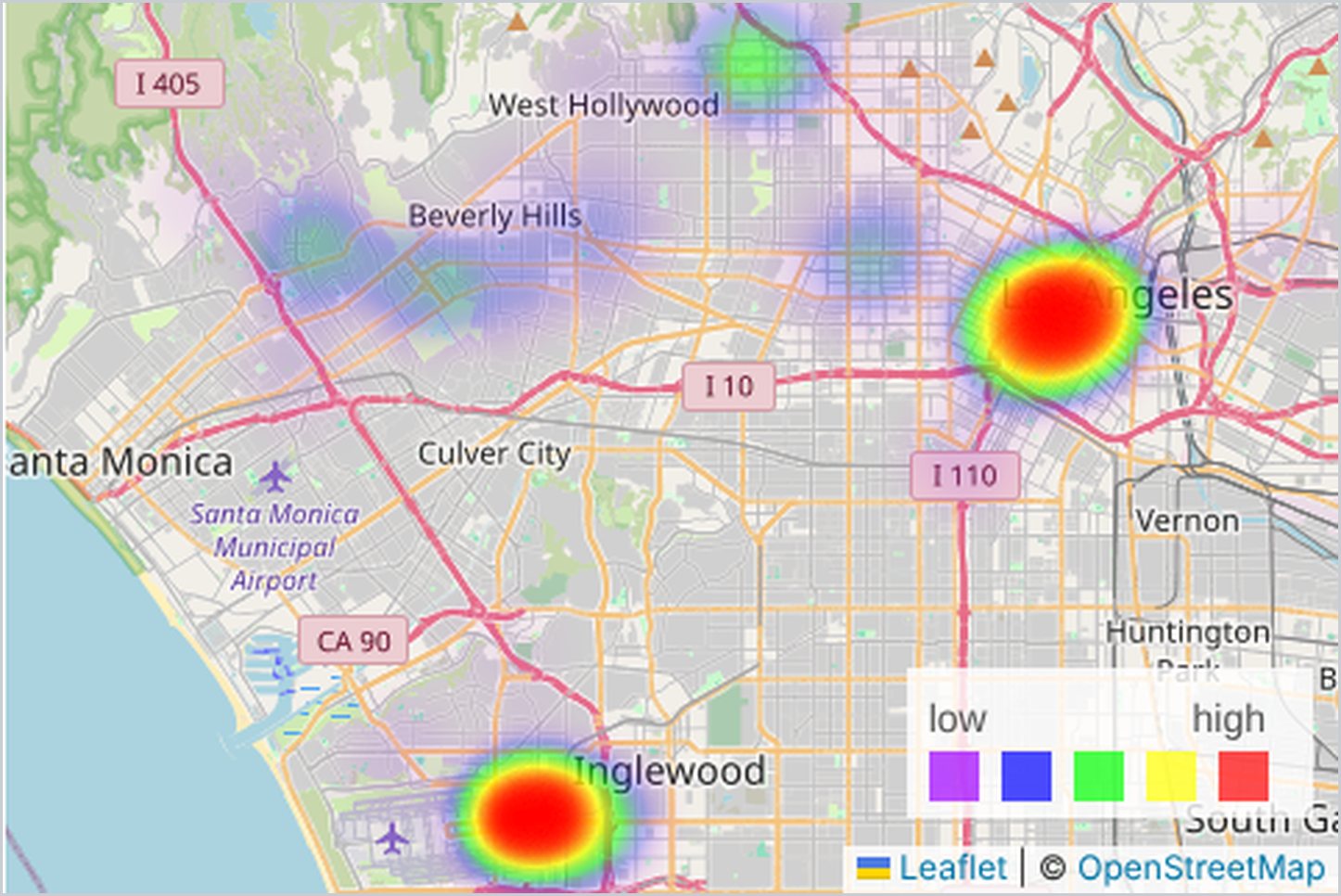
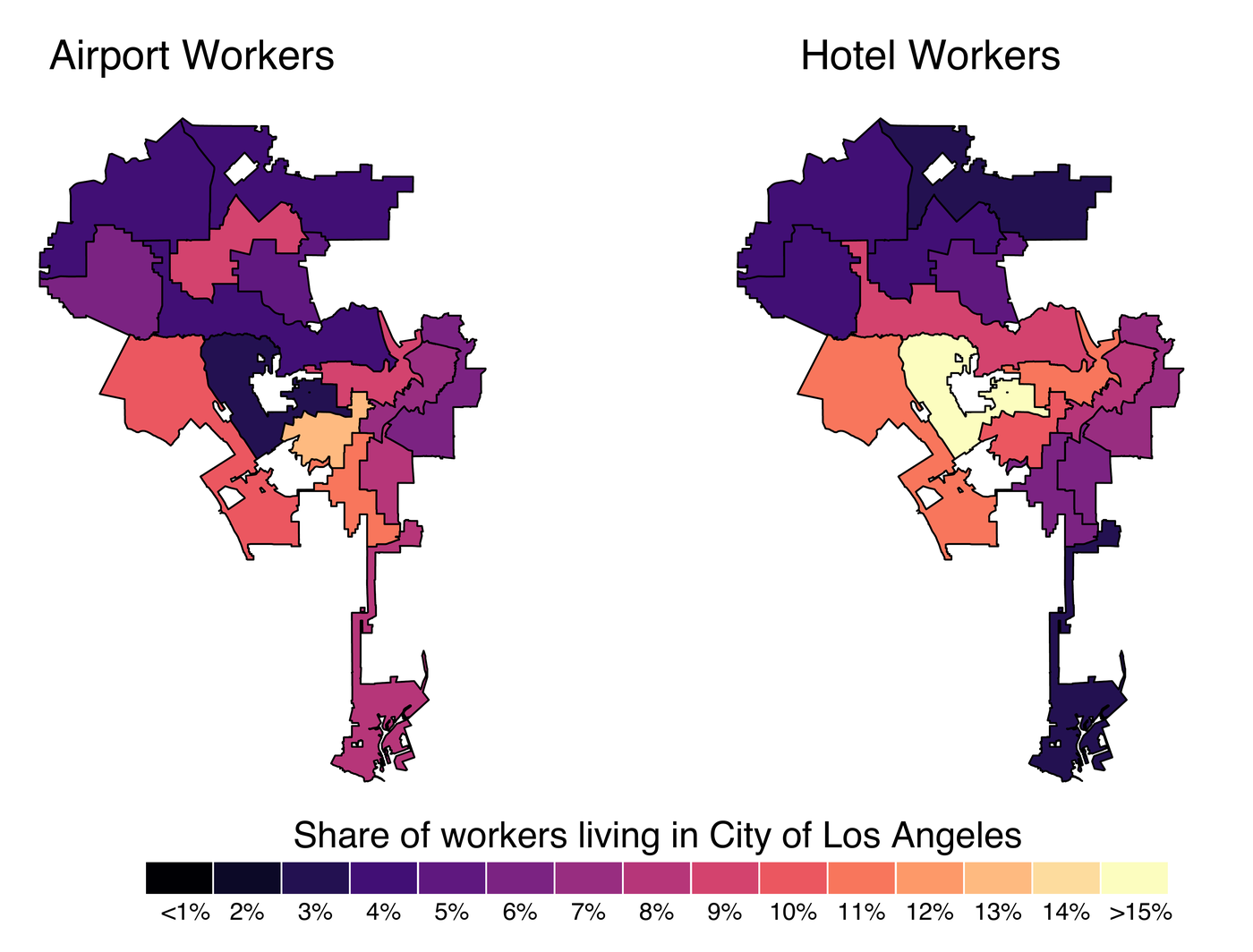
Employer and occupational data from Los Angeles World Airports, unions and the City, with BLS, QCEW and Census data, combined with census-tract commuting flows and a ZIP-level input-output model of Los Angeles County, traced cost, price, demand and multiplier effects across 23 sectors and 22 occupations. Workers were placed by home council district, and an interactive web tool maps hotels across the City.
Public record
- CLA report to Council, with BEAR’s study as Attachment B (PDF)September 5, 2024
- BEAR answers to Council follow-up questions (PDF)December 6, 2024
- Follow-up addendum (PDF)December 9, 2024
- Council File 14-1371-S13Office of the City Clerk
How to cite
Berkeley Economic Advising and Research (BEAR) (2024). Amending the Los Angeles Living Wage and Hotel Worker Minimum Wage Ordinances: An Economic Assessment. Prepared for the City of Los Angeles Office of the Chief Legislative Analyst. Attachment B to the CLA report of September 5, 2024, Council File 14-1371-S13.