
PracticeWage and labor standards
Minimum wage studies that show who is covered, and where they live.
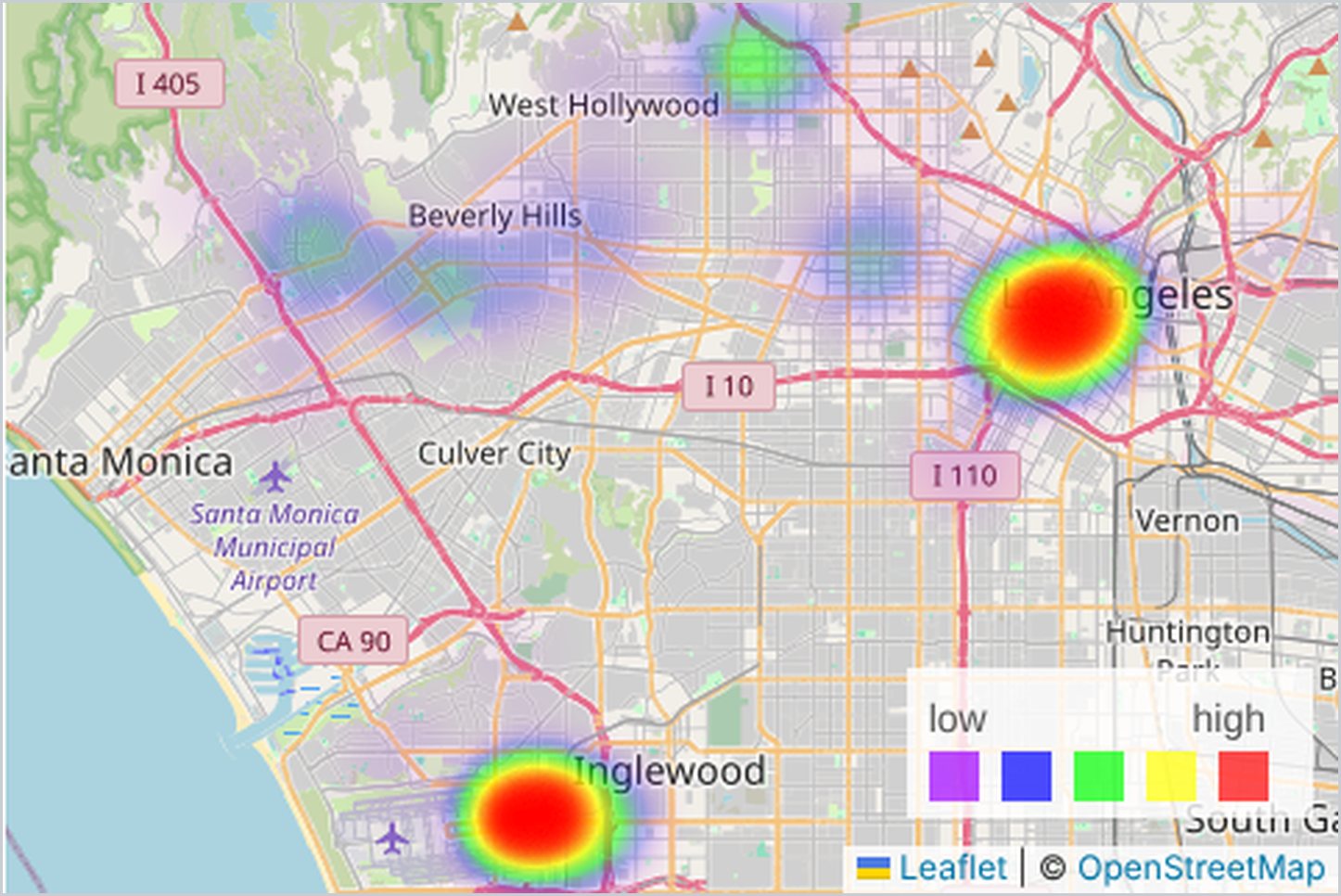
BEAR’s study for the City of Los Angeles informed the 2024 decision to raise hotel and airport worker pay to $30 an hour by 2028. Culver City commissioned BEAR for its citywide minimum wage study, and SCAG uses BEAR’s Job Quality Index. Each study counts the workers a policy reaches, places them where they live, and models what it does to employers, prices and jobs.
The record
Write-ups with the client, the year, the headline result and the public document.
| Client | Engagement | Year | Headline result |
|---|---|---|---|
| City of Los Angeles | City of Los Angeles: hotel and airport worker wages | 2024 | 23,000 Workers directly and indirectly affected |
| SCAG | SCAG: a Job Quality Index for Southern California | 2024 | 2,900 Workers surveyed: 500 in each of five counties and 400 in Imperial |
Also: the City of Culver City’s citywide minimum wage study, approved by Council on October 9, 2023 (Culver City Crossroads).
From the employer frame to the council district
Who is covered
Build the frame of covered employers and workers from payroll, establishment and occupational data, and test it against what the city already knows.
Where they live
Place covered workers in their home neighborhoods from commuting data and report by council district, so councilmembers see their own constituents in the result.
What changes
Trace the wage path through payroll, prices, employment, household income and local spending, year by year, with and without the ordinance.
What the record will need
A report written for council, hearing support, and answers to the questions councilmembers, business and labor put on the record.
Before you issue the RFP
Can you report results by council district?
Yes. The Los Angeles study placed hotel and airport workers in their home neighborhoods using census-tract commuting data and reported the result by council district.
Do you model job losses and price effects, or only wage gains?
Both. Higher payroll shows up as household income and local spending, and also as employer costs, prices and hiring. The Los Angeles study reported price effects of about six percent over four years alongside the income and job gains.
Will you answer Council’s follow-up questions?
Yes. For Los Angeles, BEAR answered Council’s written follow-up questions in December 2024, before the vote.
Considering a wage ordinance or an annual review?
BEAR is a California certified Small Business (Micro), no. 2026547.