The question
What would ending new well stimulation permits cost oil and gas operators and the California economy, and what would it save?
What BEAR found
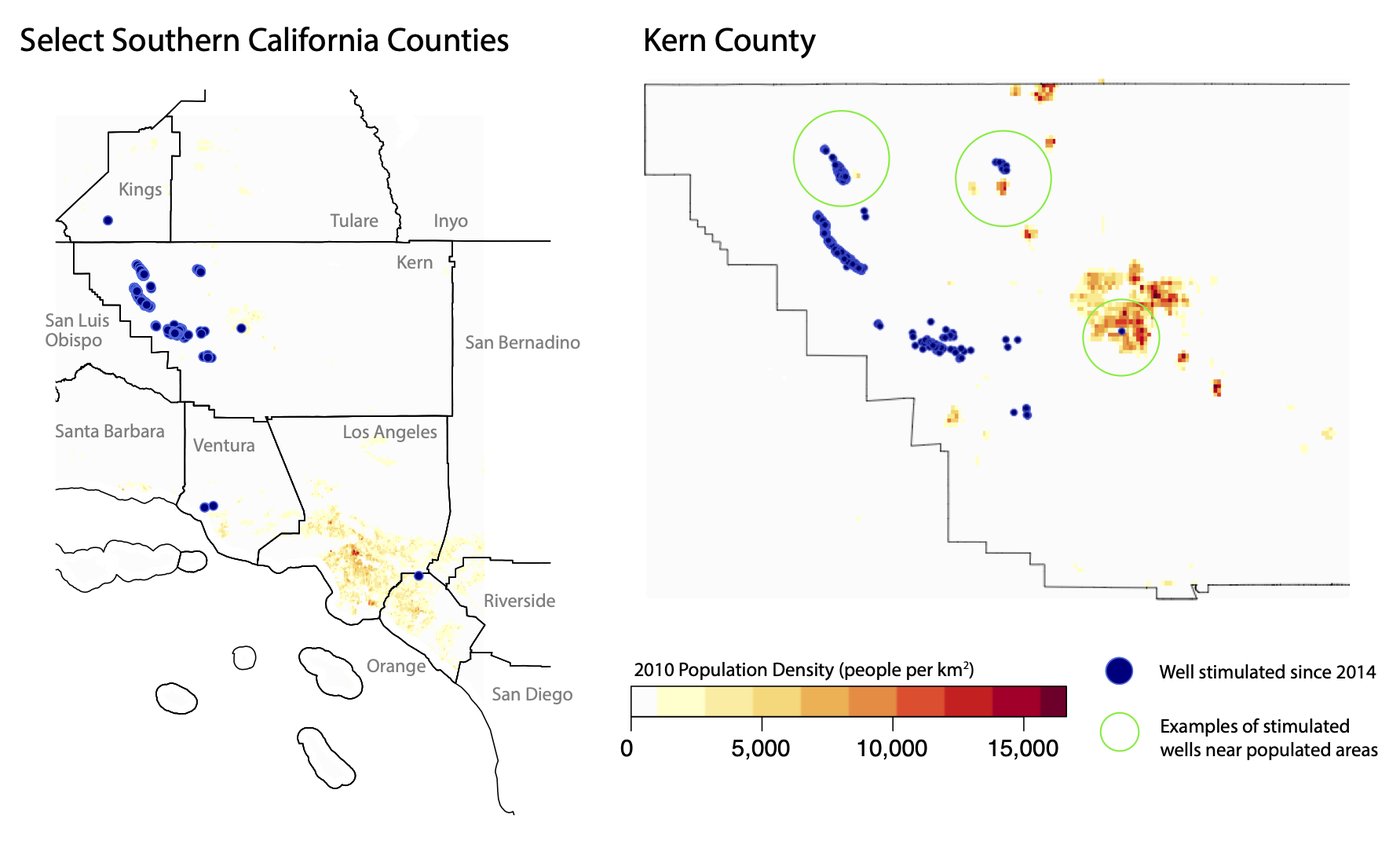
First-year direct costs, in forgone production, are $28 million against $20 million in direct benefits from stimulation costs not incurred. Fewer than twelve operators are affected, about five of them active in the last five years, all in Kern County.
Real gross state product falls about $2 billion a year on average over 2024 to 2032, 0.04 percent of baseline, with about 300 fewer new jobs a year. State income tax revenue falls $53 million a year, and state agencies save $11.6 to $12.3 million a year.
Method
The BEAR dynamic CGE model (60 sectors on 2020 IMPLAN data), run over 2024 to 2032 against the Department of Finance’s May 2022 conforming forecast, using CalGEM well stimulation and production records back to 1977.
Public record
- SRIA as submitted to the Department of Finance (PDF)December 2023
- SRIA in CalGEM’s rulemaking documents (PDF)conservation.ca.gov
- Department of Finance comment letter (PDF)January 19, 2024
How to cite
California Department of Conservation, Geologic Energy Management Division, with Berkeley Economic Advising and Research (2023). Standardized Regulatory Impact Assessment: Well Stimulation Treatment Permitting Phase-Out Regulations.