California ISO, 2026
California ISO: the AB 825 California Jobs Study
Forecasting California electric power jobs to 2040 for the ISO. Preliminary results presented September 2026.


BEAR provides economic solutions for data center impact studies, regulatory impact assessment, minimum wage studies, energy facility transitions, major events and local revenue, housing and regional economics, and international development.
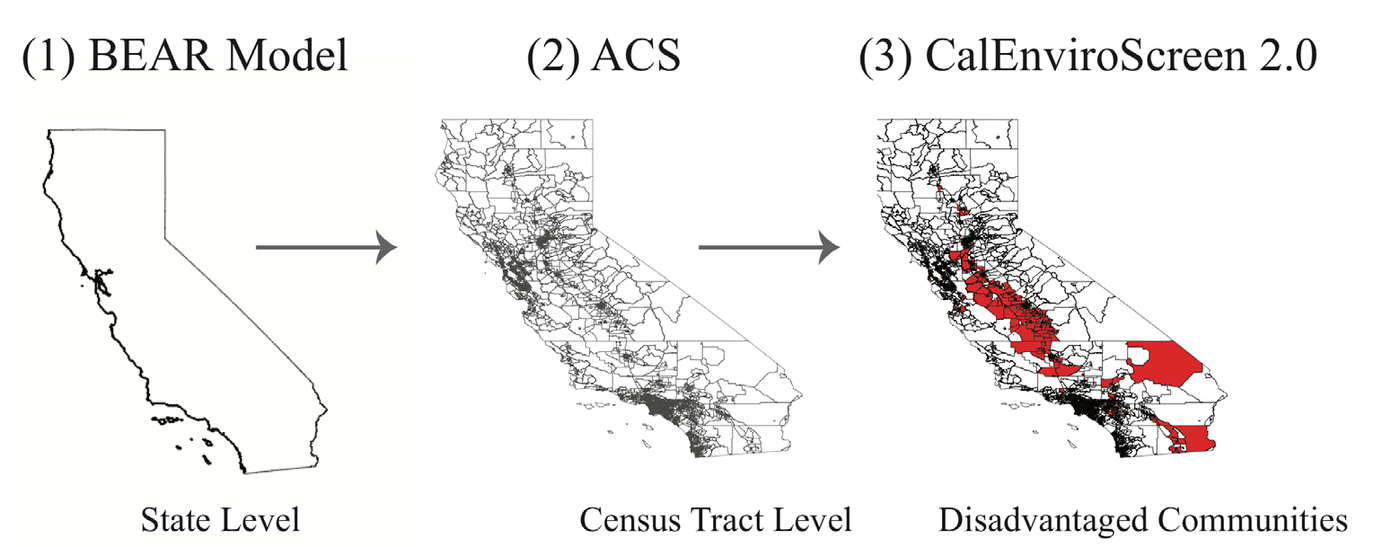
Berkeley Economic Advising and Research (BEAR) builds and applies a dynamic general equilibrium model of the California economy, with results down to the census tract. Agencies, cities, utilities and the development banks use it to learn what a rule, a wage floor or a plant closure will do before it happens.
Since 2002 BEAR has prepared nine Standardized Regulatory Impact Assessments on the Department of Finance record, forecast jobs for 8,000 California census tracts, and held more than 30 Asian Development Bank contracts.
Choose an area or an engagement below, or see the list of all projects.
California ISO, 2026
Forecasting California electric power jobs to 2040 for the ISO. Preliminary results presented September 2026.
PG&E, 2026
$901.3 million a year in state GDP and 3,785 jobs, with no lasting effect of the extension on local home values.
City of Los Angeles, 2024
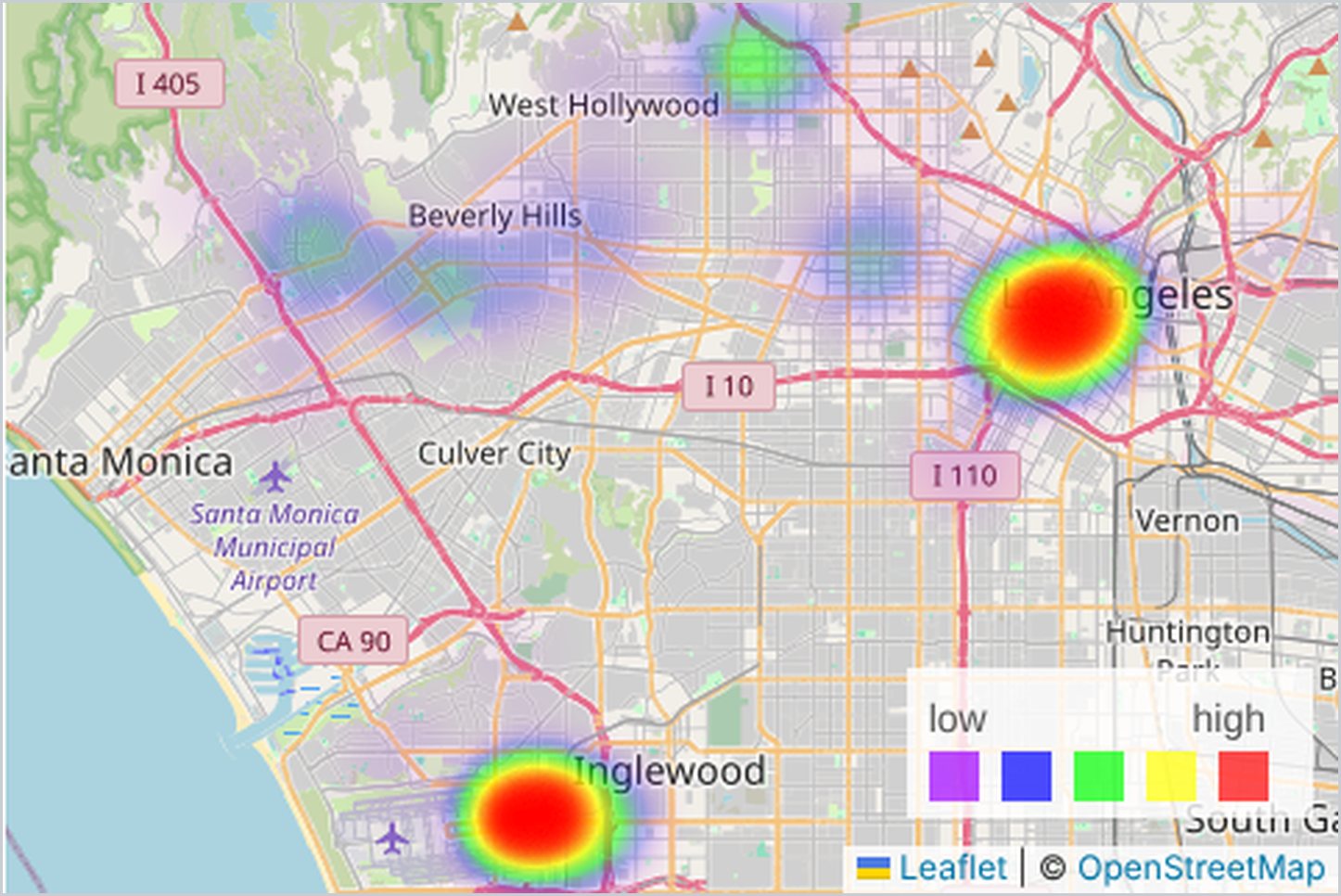
About 23,000 workers affected; $700 million in net income and more than 6,000 jobs added in the City by 2028.
CPPA, 2024
$3.5 billion in first-year direct costs across about 52,000 covered businesses, against cybercrime savings that reach $66.3 billion a year by 2036.
DOJ, Gambling Control, 2024
$464 million in lost cardroom revenue and $232 million shifting to tribal casinos, across all 86 licensed cardrooms.
SCAG, 2024
Sixteen job attributes, weighted by what 2,900 Southern California workers say they value.
CalGEM, 2023
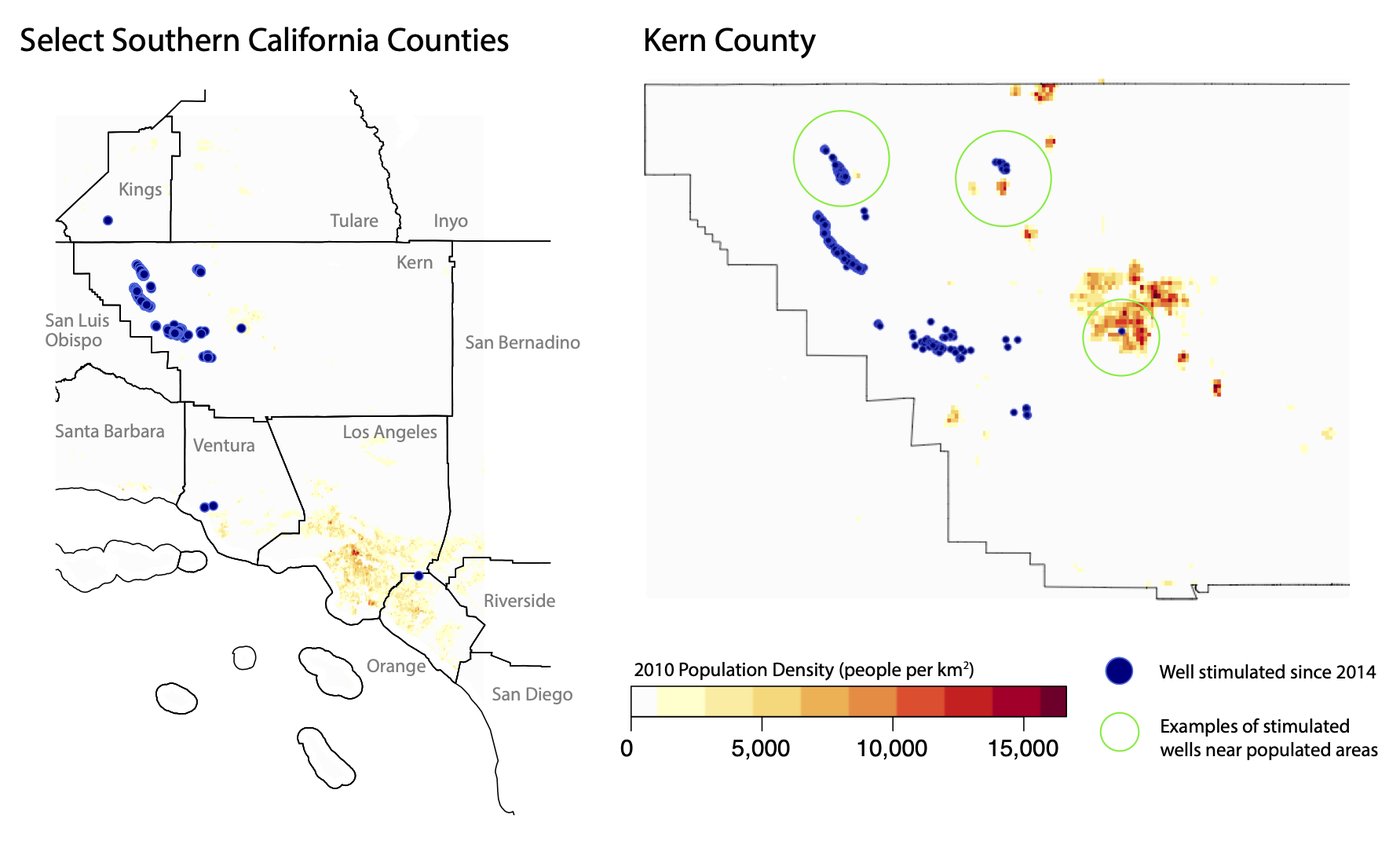
Ending new well stimulation permits: 1,442 fewer Kern County wells over ten years, and real GSP 0.04 percent below baseline.
SCAG, 2022–2024
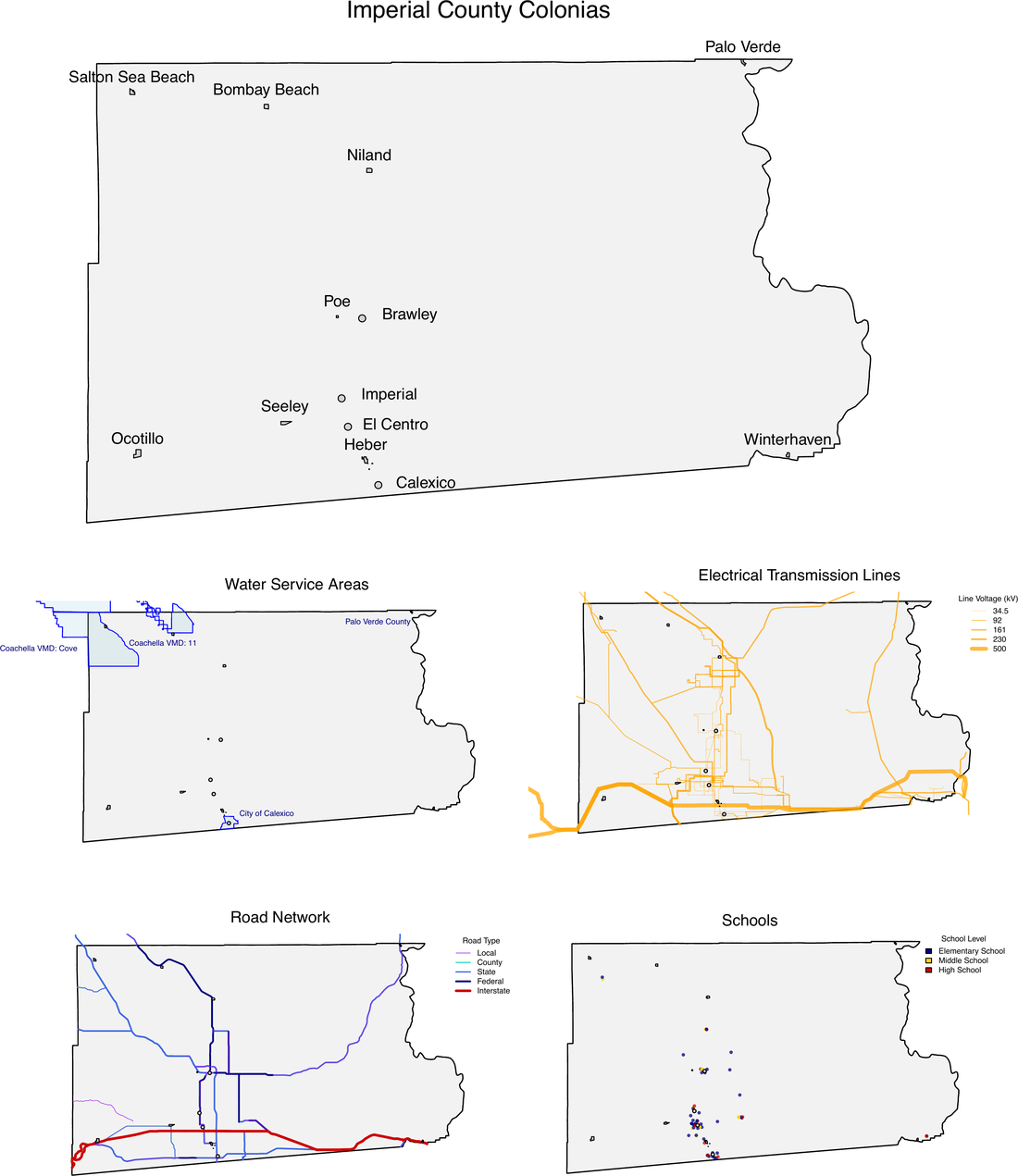
Every structure, road and utility line in the colonias, mapped and profiled in English and Spanish.
ADB, 2020–2026
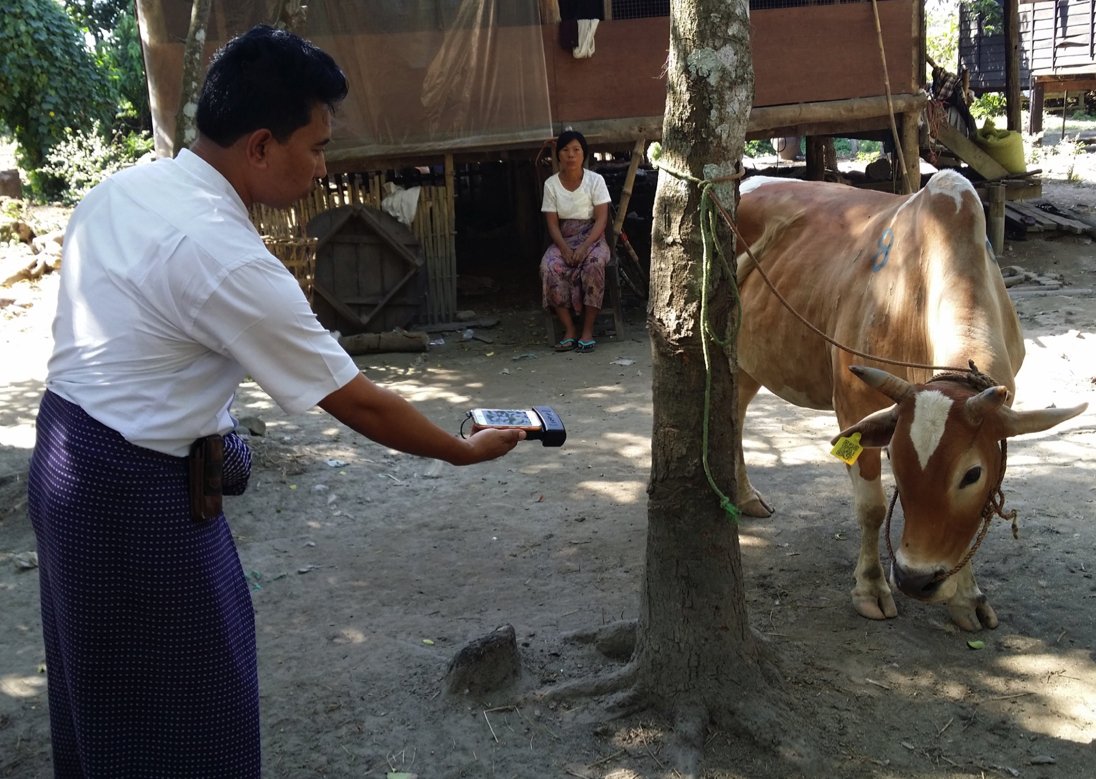
665 cattle tagged and 145 producers trained along a 730 km corridor in Lao PDR.
CHP, 2022
A benefit-cost ratio of 6.25 for 366,800 intrastate truck drivers, and 9,112 more full-time jobs a year on average.
World Bank, 2021
A guide to the seven areas where carbon pricing pays off beyond emissions, and how to model them.
DOJ, 2019
The first SRIA under the CCPA: $467 million to $16.5 billion in compliance costs over 2020 to 2030, by coverage case.
CPUC, 2019
A gross $801 million annual loss, largely offset by decommissioning, for a net loss of about $77 million a year.
DIR / Cal-OSHA, 2019
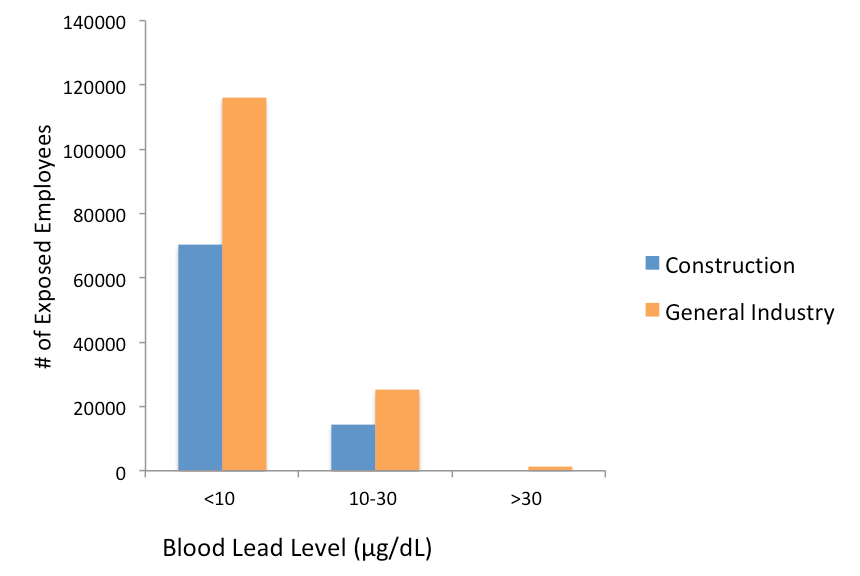
About 228,000 workers exposed; $248 million in first-year costs against health benefits rising to $1.26 billion a year.
DIR / Cal-OSHA, 2019
Lowering the trigger height to six feet: about $64 million a year in avoided deaths and injuries, a benefit-cost ratio of 1.19.
State of Oregon, 2019
About 50,000 more jobs by 2050 on the deepest emission path, a third of the growth from cleaner air.
CEC, 2018
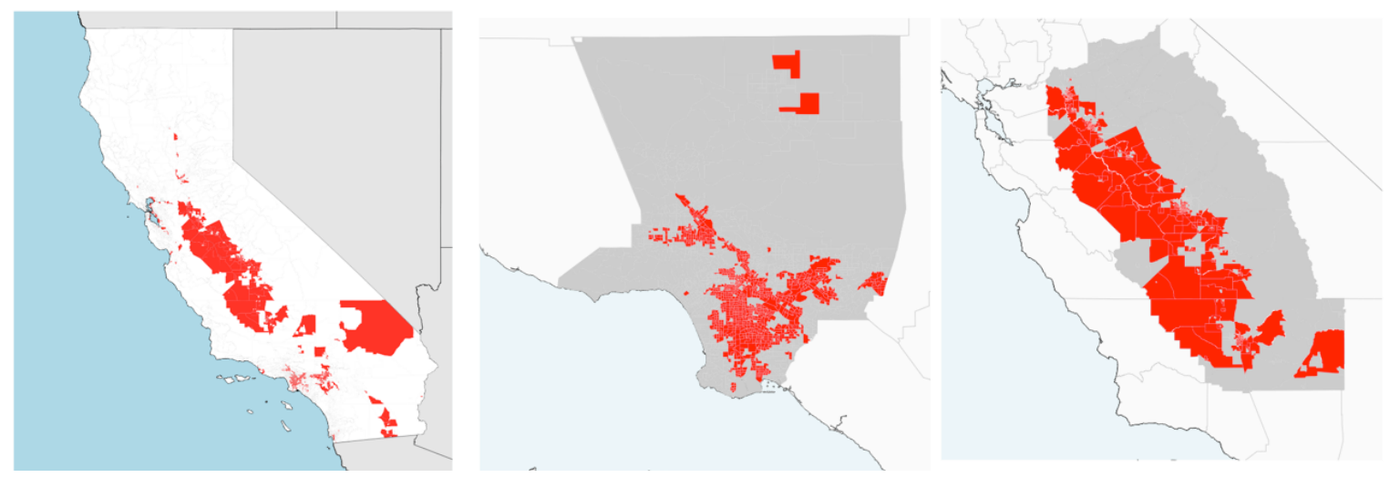
Employment forecasts to 2050 for each of 8,000 census tracts: 3.3 million more jobs and real GSP 9 percent higher.
California ISO, 2016
90,000 to 110,000 more jobs in 2030 from 50 percent renewables, with results carried down to census tracts.
CEC, 2016–2018
The Energy Commission’s first SRIA program: a 2016 SRIA, guidance, a review of SRIAs to date, and BEAR tested against REMI, IMPLAN and RIMS II.
The questions agencies, cities and the development banks bring to BEAR most often. The record also runs to food security, animal disease and trade; see the full range.
What would a data center pay a city, and what would it cost residents?
Built on: California ISO grid studies, the Diablo Canyon local impact assessment, and California’s automated decisionmaking rules
Who prepares SRIAs that hold up in Department of Finance review?
CPPA, DOJ, CHP, CalGEM, DIR / Cal-OSHA, CEC
Which firm does minimum wage studies for California cities?
City of Los Angeles 2024, SCAG Job Quality Index 2024, Culver City (commissioned 2023)
What happens to a county when a plant or refinery closes?
California ISO 2016 and 2026, Diablo Canyon (CPUC 2019, PG&E 2026), CalGEM 2023, CEC 2018
What will a mega-event or a new tax actually bring a city?
Los Angeles hotel and airport study, tract-level visitor economy tools
Who should a region hire for a housing and infrastructure needs assessment?
SCAG Imperial County Colonias, SCAG Job Quality Index, CPUC Diablo Canyon housing study
Who models trade, growth and livestock systems for the development banks?
30+ ADB contracts, 12 as team leader; World Bank carbon pricing guide
Direct-cost accounting says what a rule bills to the regulated party. It cannot say where that money goes next: which sectors contract, which expand, and what happens to jobs, household income and state revenue over ten years.
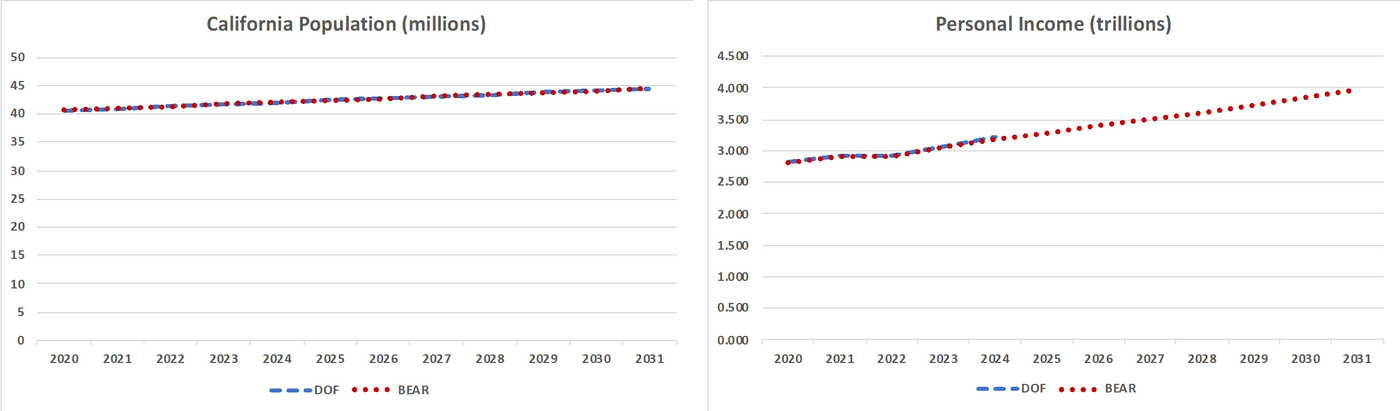
The BEAR model is calibrated to the Department of Finance baseline and resolved by sector, household income group and place, down to census tracts.
State agencies, cities, a utility and the development banks.
Where the work has been covered, and where agencies have presented it.
California ISO
BEAR presents its preliminary forecast of California electric power jobs to 2040 at the ISO’s public stakeholder workshop.
County of San Luis Obispo
The County lists David Roland-Holst of BEAR as a featured speaker on the plant’s place in the county economy.
KSBY
Announces BEAR’s presentation on the plant’s role in the San Luis Obispo County economy.
Southern California Association of Governments
Lists David Roland-Holst of BEAR as the Economic Roundtable’s sustainability economist.
Certifications, identifiers, past performance and a one-page capability statement, on one page.